what can you do when you feel like you’ve achieved nothing.
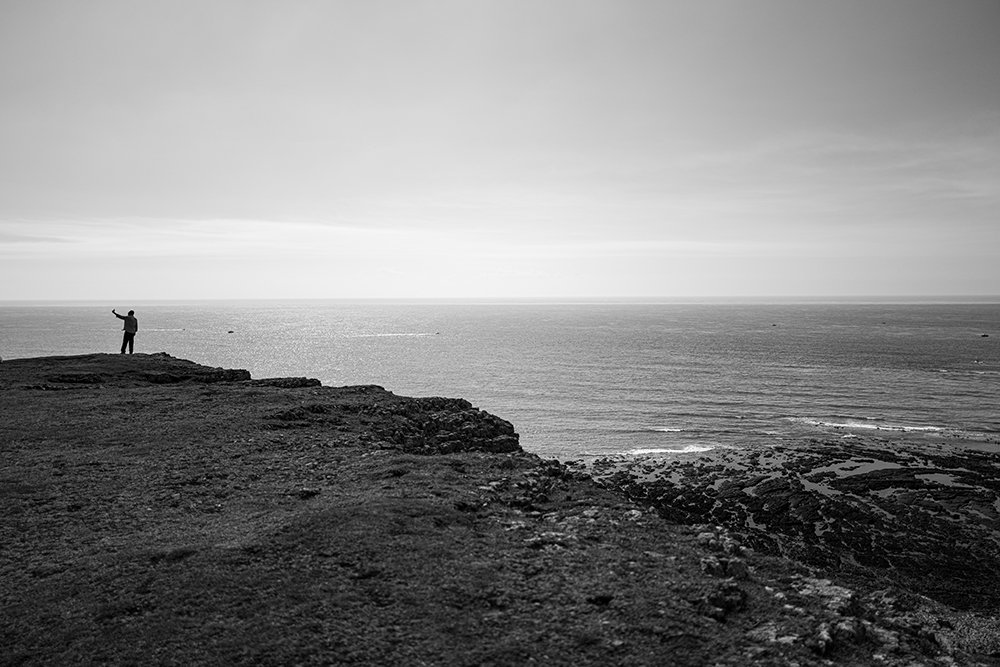
Do you ever feel like you’ve achieved nothing? In April I felt like I’d achieved nothing. I couldn’t tell you where the month went or what I’d done with it. Just a vague feeling that it had passed and I had nothing to show for it. It wasn’t just April. It happens a lot. I get to the end of a week, a month, a quarter, and I conclude that I’ve wasted time or not achieved enough without looking to see if I’m right. It feels like a fact, one that compounds over time.
what we count as progress.
It’s usually a very different story. Part of the problem is what we count as progress. We’re waiting for the big, visible leap, the finished project, the obvious result, and anything smaller doesn’t register. But that’s not how progress works. British Cycling didn’t transform on the back of one big change. They found tiny improvements, a fraction here, a fraction there, none of them worth mentioning on their own, and let them add up. The small stuff was the progress. It just didn’t look like it at the time.
The same is true of your week. Small progress is easy to miss, and a bad feeling can obscure it.
the diary test.
Last week I went to a quarterly review workshop, I spoke up and said I didn’t know what had happened to April. It felt vulnerable and honest and I sensed that other people in the room could relate. Then someone mentioned they use their diary to review their time. I hadn’t thought of it. So, I sat down with mine and went back through the month. I’d done a lot. Not everything I’d planned, and not all of it in the right order, but a lot. The ‘nothing’ I’d been so sure of simply wasn’t there when I looked. To be fair, my mind was blank as much as I was telling myself I’d done nothing. I knew I couldn’t be sure that was the case as I simply couldn’t remember.
However, my diary didn’t just let me off the hook. It jogged my memory and I enjoyed the process of realising I’d achieved things. It was more concrete than trusting my impression and it was also more productive.
get honest.
I took it a step further. I considered what I’d done against what I’d hoped I’d done. My reality felt like it had come up short, that’s why I was ‘blaming’ my blank April. I had a sense of where I thought I should be and the data to show me what I’d worked on. I took both and considered how I could have done things differently. I had an honest conversation with myself and concluded that it wasn’t as bad as I’d thought but, if I’d done things a little differently, I’d be a little closer to my goal.
Measuring your progress properly isn’t a way of convincing yourself you’re doing brilliantly. It’s looking at what’s there, the good and the bad, instead of trusting a feeling that is unreliable and usually over critical.
build a system.
I’ve built that into how I work now. I set goals quarterly, monthly, weekly and daily, and at the end of each period I take a moment to look back at what really happened. It stops me writing off weeks that were better than they felt. It also means I’m always learning something, adjusting the next stretch based on the last one, rather than just deciding I’ve failed and starting again.
not doing it yourself.
The hard part is that this is difficult to do for yourself. When you feel like you’ve achieved nothing, it is a convincing feeling, and on your own there’s nothing to weigh it against. You believe the verdict because there’s no one in the room to question it. That’s a lot of what I do with the people I work with. I show them the progress they’ve discounted and won’t let them write it off, while still being honest with them about what needs to change. You can’t always see your time and achievements clearly. Someone else can.
So, before you decide you’ve achieved nothing, go and look. Properly. You’ve probably done more than you think. The problem is rarely your progress. It’s how you’re measuring it.
If you keep reaching the end of the month sure you’ve got nowhere, that’s what I help with. Book a free introductory call.